Shade Net for Farming in Kenya — A Practical Guide
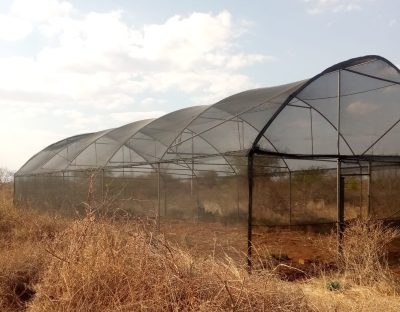
Kenya’s climate is wonderfully diverse — from the cool, high-altitude Rift Valley to the hot, dry lowlands along the coast. That same diversity creates both opportunity and challenge for farmers: unpredictable sunlight, high daytime temperatures, and variable rainfall can limit yields or reduce crop quality. Shade netting has become an affordable, high-impact technology for farmers across Kenya who want to protect high-value crops, extend the growing season, and improve water efficiency. At Symnet Agro Solutions Ltd, we design, supply and install shade net systems tailored to Kenyan farms — here’s everything you need to know.
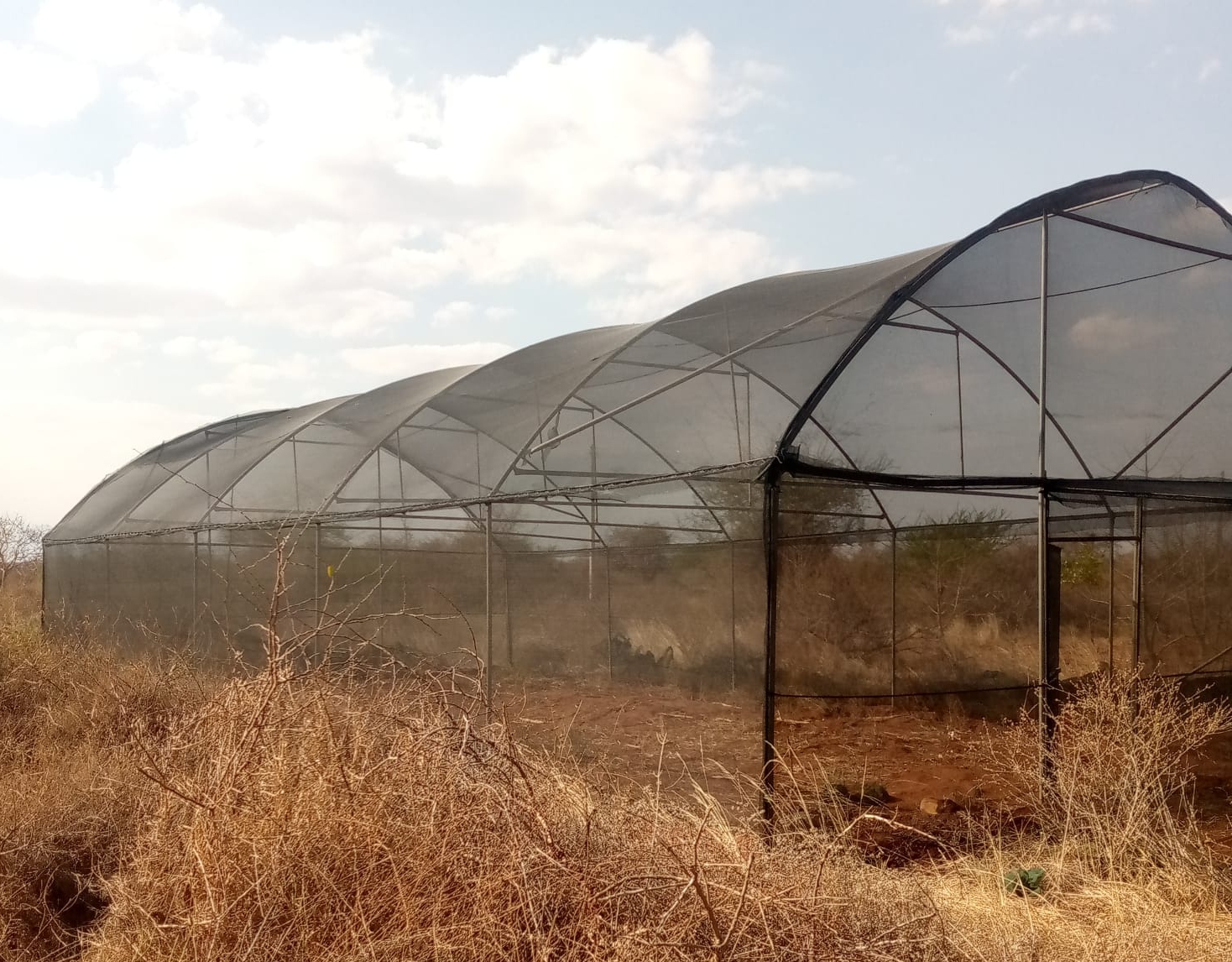
What is shade netting?
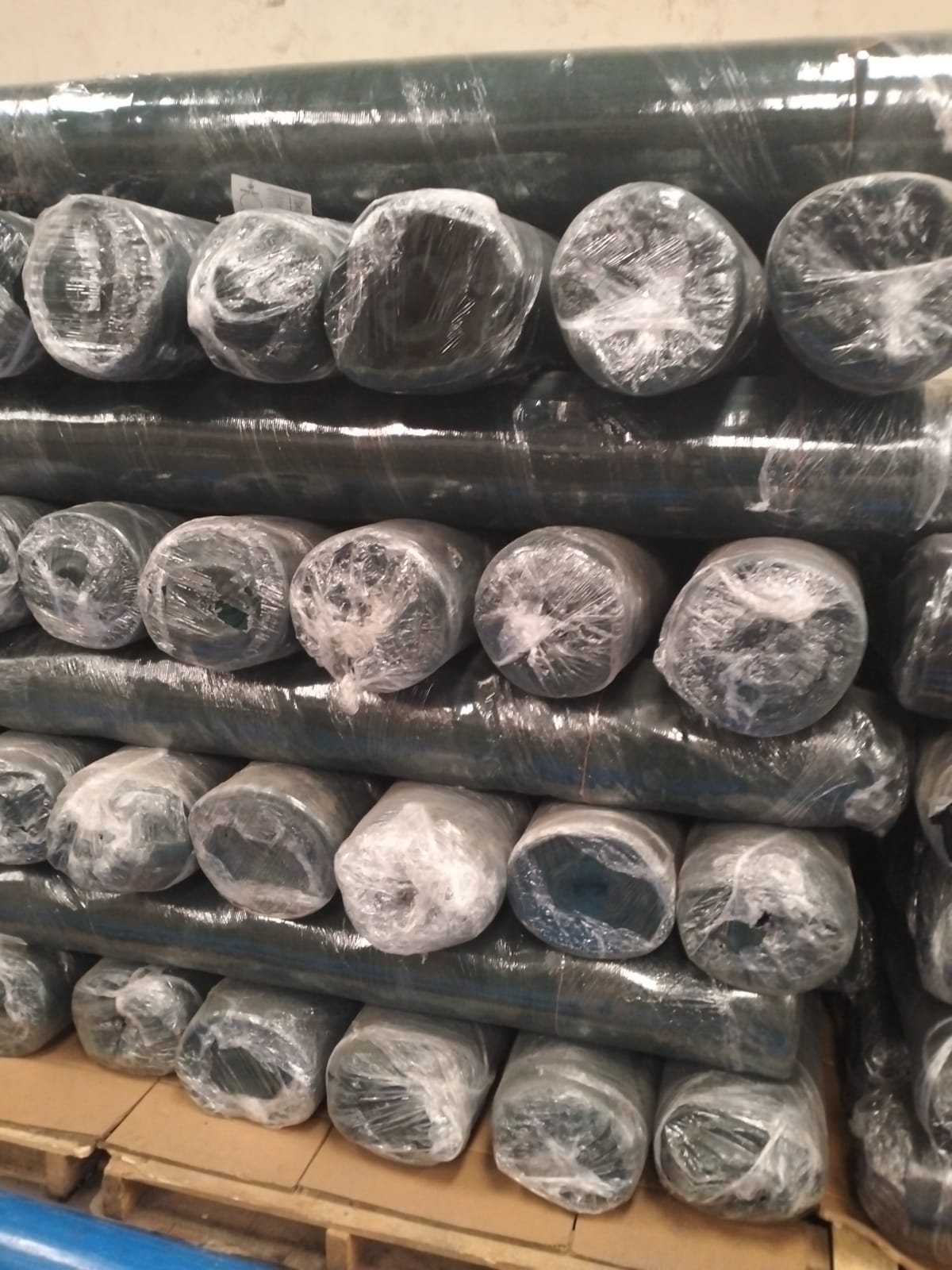
Shade netting — sometimes called shade cloth — is a knitted or woven fabric (usually UV-stabilized HDPE) used to reduce the amount of direct solar radiation reaching plants. Shade nets are available in different shade percentages (commonly 30% up to 90%) and colours. They lower light intensity, reduce heat stress, decrease evaporation, and can also act as a physical barrier to wind, birds and some insects when combined with other netting types.
Why Kenyan farmers are using shade nets
-
Temperature & light control
Shade nets moderate midday heat and strong sun, reducing blossom drop, sunscald and heat stress — critical for delicate crops like leafy greens, tomatoes, peppers and ornamentals.
-
Water savings
By cutting direct sunlight and wind, nets reduce evapotranspiration, meaning less frequent irrigation and lower water bills — a major advantage in semi-arid and drought-prone areas.
-
Improved crop quality
Lower light stress and more stable microclimates often translate to better colour, longer shelf life and higher marketable yields — especially for herbs, lettuce, flowers and strawberries.
-
Pest, bird and mechanical protection
While shade nets are not insect-proof by themselves, when used with insect or bird nets they provide whole-crop protection that reduces post-harvest losses.
-
Year-round production & accelerated nursery growth
Shade houses are ideal for nurseries, seedling hardening and propagation, allowing farmers to raise healthy transplants faster and start multiple crop cycles.
Types and specifications (what to choose)
-
Shade percentage — Choose based on crop light requirement: 30–40% for tomatoes/peppers that need more light; 50–70% for lettuce, herbs and shade-loving ornamentals; 80–90% for nursery hardening or shade trees.
-
Material & UV stability — High-density polyethylene (HDPE) with UV stabilizer is standard; it lasts longer under Kenyan sun.
-
Colour — Black is common and cost-effective; white/green or specialized colours (silver/black) can slightly modify light diffusion and heat reflection.
-
Knitted vs woven — Knitted nets are more flexible and tear-resistant; woven nets can be denser. Most agricultural shade nets in Kenya are knitted.
-
Accessories — Frames, ropes, tensioning clips, gutters and anchoring systems determine durability and wind-resistance.
Common shade net uses on Kenyan farms
-
Vegetable tunnels — Protect lettuce, spinach, sukuma wiki and herbs from excessive sun and heat.
-
Flower and nursery houses — For floriculture (roses, gloxinia) and seedling propagation.
-
Fruit tree shade — Young fruit trees benefit from partial shade in their early stages.
-
Shade for livestock and poultry — Protect animals from heat while ensuring ventilation.
-
Post-harvest storage / drying yards — Shade nets can provide a clean, ventilated area for sorting or solar drying when combined with appropriate structures.
Installation & maintenance — practical tips
-
Site assessment first — Evaluate sun angles, prevailing winds and drainage. Proper siting increases lifespan and performance.
-
Sturdy framing — Use galvanised steel or treated timber with cross bracing for wind-prone locations. Anchor well.
-
Proper tensioning — Loose nets flap and tear; install tensioning systems and maintain even tension.
-
Ventilation & spacing — Allow airflow to prevent humidity buildup and fungal issues. Good ventilation reduces disease risk.
-
Repairs & UV degradation — Inspect annually for tears and UV wear; replace high-exposure panels promptly.
-
Cleaning — Dust build-up lowers light diffusion; periodic brushing or hosing prolongs effectiveness.
Economic case & ROI
While upfront costs (structure + netting + installation) vary with size and specification, farmers typically see value through increased yields, reduced water use, fewer crop losses, and access to premium markets (better quality produce/flowers). For high-value crops like herbs, salad greens and floriculture, shade netting often pays back within a single season. For larger installations, the ROI improves when nets are combined with drip irrigation, good agronomy and market linkages.
Why choose Symnet Agro Solutions Ltd?
At Symnet Agro Solutions Ltd, we specialise in practical, cost-effective shade net solutions designed for Kenyan conditions. Our services include:
-
On-site consultation & crop assessment — We recommend the optimal shade percentage, net colour and structure for your crop and location.
-
Supply of UV-stabilized shade nets — Durable, Kenyan-tested materials available in multiple grades.
-
Professional installation — Secure frames, tensioning systems and drainage solutions to stand up to local weather.
-
Integration with other systems — We can pair shade houses with drip irrigation, insect/bird nets and solar drying solutions for an end-to-end farm upgrade.
-
After-sales support & training — We train your team on maintenance, repairs and crop management under shade nets so you get the best return on investment.
Quick checklist before you buy
-
What crops will you grow under the net? (decides shade %)
-
Is the site windy or exposed? (decides frame strength)
-
Do you need integrated pest/bird protection?
-
Will you combine with drip irrigation or shade-net tunnels?
-
What is your budget and expected payback timeframe?
Final thoughts
Shade netting is a simple, flexible technology with big impact for Kenyan agriculture. Whether you are a smallholder scaling up leafy greens or a commercial grower in Naivasha, Mavoko, Kisumu or the Coast, the right shade net system can stabilise yields, cut water use, and open higher-value markets. Symnet Agro Solutions Ltd understands local climates, crop needs and practical farm economics — we’re here to help you choose, install and maintain a shade net system that fits your farm and your business goals.
Interested in a free site assessment or a sample? Contact Symnet Agro Solutions Ltd today for a no-obligation consultation and let’s design a shade net solution that helps your farm thrive.
Dam Liners Sale and Installation in Kenya: Reliable Water Solutions
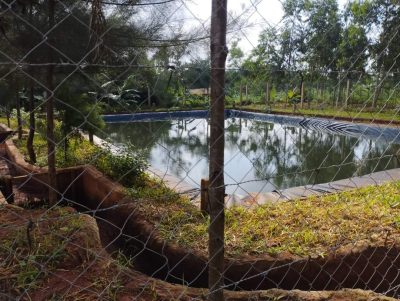
Water is one of the most critical resources in farming, yet it is also the scarcest in many parts of Kenya. Farmers in arid and semi-arid regions continue to struggle with water shortages due to unpredictable rainfall and frequent droughts. Without a reliable water source, farming becomes difficult, and livelihoods remain vulnerable.
To address this challenge, many farmers are turning to water harvesting and storage solutions. Among these, dam liners have become a cost-effective and durable way of storing water for irrigation, livestock, aquaculture, and domestic use.
At Symnet Agro Solutions Ltd, we specialize in the sale and professional installation of dam liners in Kenya, providing farmers with affordable solutions to conserve and manage water effectively. Our mission is to support farmers in harsh climatic areas so they can farm productively throughout the year.
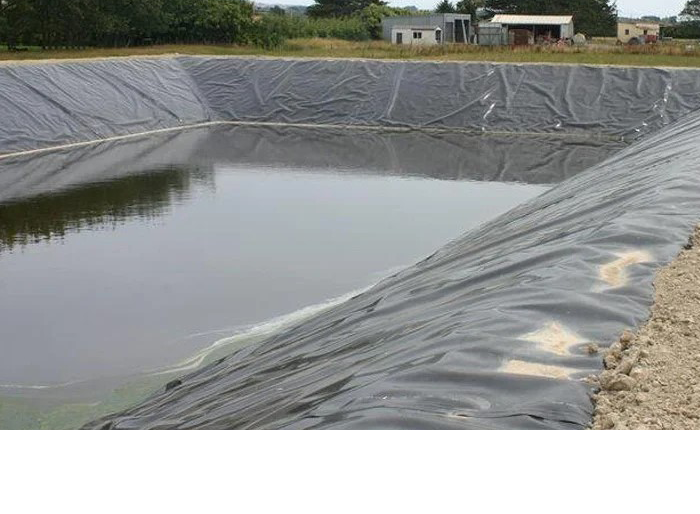
A dam liner is a specially designed plastic sheet made from high-density polyethylene (HDPE), low-density polyethylene (LDPE), or PVC material. It is used to line dams, ponds, and water reservoirs to prevent seepage losses.
Without a liner, most dams and ponds in Kenya lose large amounts of water through seepage into the ground, especially in sandy or loamy soils. Dam liners act as a protective barrier, ensuring that water collected during rainy seasons remains stored for use in dry seasons.
Why Farmers in Kenya Need Dam Liners
1. Water Harvesting and Storage
Rainwater harvesting is an increasingly important practice in Kenya. With a dam liner, farmers can capture and store rainwater during the rainy season and use it during drought periods for irrigation and livestock.
2. Reduced Water Losses
Unlined dams lose up to 50% of stored water through seepage. A quality dam liner ensures zero leakage, allowing farmers to conserve every drop.
3. Year-Round Farming
With reliable water storage, farmers can irrigate crops even during long dry spells. This promotes year-round farming and consistent income generation.
4. Multiple Uses
Dam liners are versatile and can be used for:
-
Irrigation water storage.
-
Fish farming (aquaculture).
-
Domestic water storage.
-
Livestock watering.
-
Industrial water reservoirs.
Advantages of Using Dam Liners in Kenya
1. Cost-Effective Solution
Building concrete water reservoirs is expensive and requires a lot of time. Dam liners provide a cheaper alternative while still offering durability and reliability.
2. Durability
High-quality dam liners from Symnet Agro Solutions Ltd last between 10–15 years, depending on thickness and usage conditions. They are resistant to UV rays, chemicals, and punctures.
3. Easy Installation and Maintenance
Compared to concrete tanks or masonry dams, installing a dam liner is simple and less labor-intensive. With professional installation, maintenance needs are minimal.
4. Adaptability to All Soil Types
Dam liners make it possible to store water in areas with sandy or porous soils where water storage would otherwise be impossible.
5. Environmental Sustainability
By reducing water loss, dam liners promote sustainable water management, which is crucial for addressing climate change challenges in Kenya.
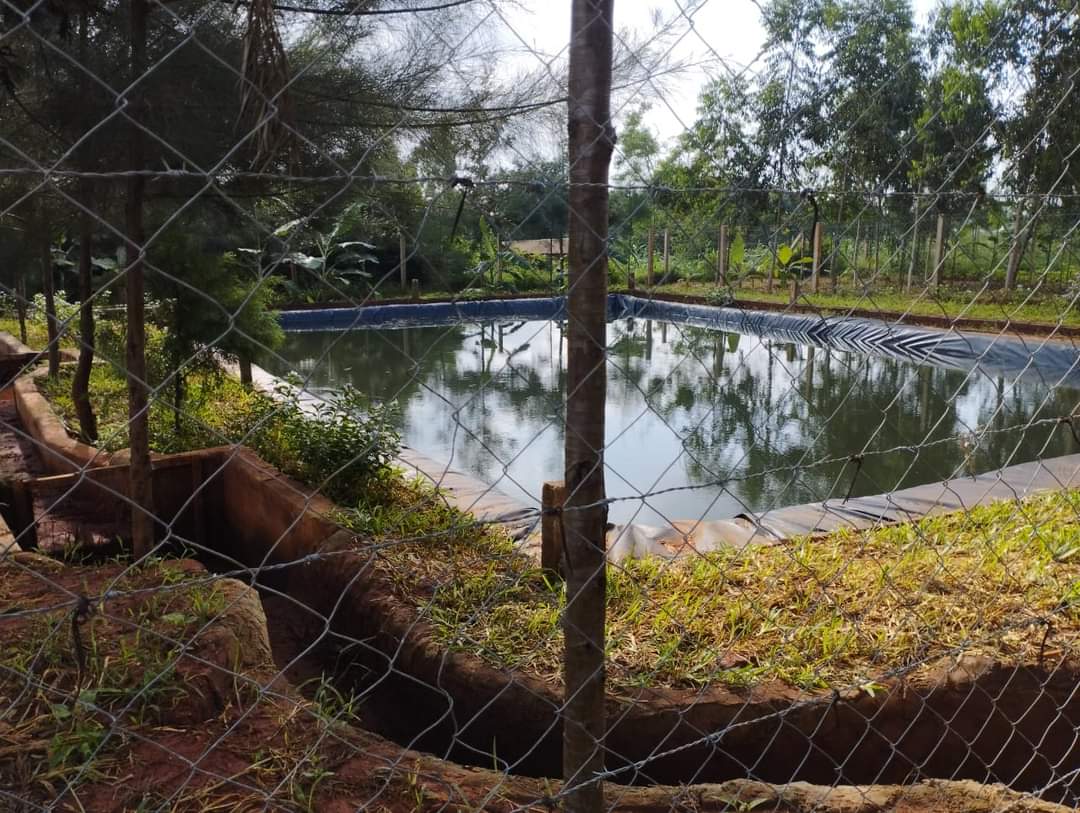
Choosing the Right Dam Liner in Kenya
The right dam liner depends on several factors, including intended use, soil type, climate conditions, and budget. At Symnet Agro Solutions Ltd, we provide guidance to farmers to help them choose the best option.
Common Dam Liner Thickness Options:
-
0.3mm (300 microns): Suitable for temporary water storage and light use.
-
0.5mm (500 microns): Ideal for small to medium water pans, aquaculture, and medium-term use.
-
0.75mm (750 microns): Durable option for medium to large water reservoirs, fish farming, and irrigation storage.
-
1mm (1000 microns): Heavy-duty liner for large reservoirs, long-term use, and areas with harsh climatic conditions.
We supply both HDPE and LDPE dam liners, depending on farmer needs and budgets.
Symnet Agro Solutions Ltd: Dam Liners Sale and Installation Services
At Symnet Agro Solutions Ltd, we don’t just sell dam liners—we provide complete water storage solutions tailored to farmers’ needs.
Our Services Include:
-
Sale of high-quality dam liners in Kenya (HDPE, LDPE, and PVC).
-
Professional dam liner installation by experienced technicians.
-
Site assessment and guidance on dam construction.
-
Supply of accessories such as pipes, fittings, and inlets/outlets.
-
Training farmers on dam maintenance and water management.
We work with both smallholder farmers and large-scale agribusinesses, ensuring everyone has access to affordable water solutions.
Applications of Dam Liners in Kenya
1. Irrigation Farming
Dam liners ensure farmers have sufficient water to power drip irrigation systems and sprinklers throughout the year. This is especially beneficial in dry areas where rain-fed farming is unreliable.
2. Aquaculture (Fish Farming)
Fish farming is growing rapidly in Kenya. Dam liners are widely used in constructing fish ponds because they prevent seepage, maintain water levels, and create a controlled environment for tilapia, catfish, and ornamental fish.
3. Livestock Watering
In pastoralist and mixed-farming communities, dam liners help store water for cattle, goats, sheep, and poultry. This reduces the stress of walking long distances in search of water.
4. Domestic and Industrial Use
In addition to farming, dam liners can be used for storing water for domestic purposes and in industries that require large water reservoirs.
Why Choose Symnet Agro Solutions Ltd?
✅ High-Quality Products
We supply durable dam liners that are resistant to UV rays, punctures, and chemicals, ensuring long-lasting performance.
✅ Affordable Solutions
Our dam liners are priced competitively, making water storage technology accessible to both small-scale and large-scale farmers.
✅ Professional Installation
We have a team of experienced technicians who ensure proper installation for maximum efficiency and durability.
✅ Tailor-Made Solutions
Every farm is unique. We offer customized dam liner solutions depending on location, soil type, and farmer’s needs.
✅ Ongoing Support
We don’t just install and leave—we provide training and after-sales support to ensure farmers maximize their investment.
The Role of Dam Liners in Climate Change Adaptation
Climate change has made water resources in Kenya increasingly unreliable. Frequent droughts, flash floods, and erratic rainfall patterns threaten agricultural productivity. Dam liners help farmers adapt by:
-
Conserving rainwater during wet seasons.
-
Ensuring water availability during droughts.
-
Supporting climate-smart agriculture such as drip irrigation.
-
Reducing reliance on unpredictable rainfall.
By investing in dam liners, farmers can make their farms more resilient to climate shocks while boosting productivity.
Conclusion
Water scarcity is one of the biggest challenges facing Kenyan farmers today. However, with innovative solutions like dam liners, farmers can harvest and store water efficiently, enabling them to farm all year round, even in harsh climatic conditions.
At Symnet Agro Solutions Ltd, we are proud to be among the leading suppliers and installers of dam liners in Kenya. By offering affordable, durable, and professionally installed dam liners, we are helping farmers secure reliable water sources, improve productivity, and build resilience against climate change.
Whether you are a smallholder farmer looking for a simple water pan liner or a commercial farmer seeking a large irrigation reservoir, Symnet Agro Solutions Ltd is your trusted partner in water storage solutions.
📞 Contact Symnet Agro Solutions Ltd today to learn more about our dam liners for sale and professional installation services. Let us help you secure your water supply and transform your farming journey.
Drip Irrigation Farming in Kenya: Affordable Year-Round Solutions
For countless farmers across Kenya, the daily struggle is defined by a single, precious resource: water. In the arid expanses of Turkana, the sun-baked plains of Kajiado, and the unpredictable climatic zones of Eastern Kenya, the sight of a wilting crop under the relentless sun is a heartbreak too familiar. Rain-fed agriculture, the traditional backbone of our food system, has become a high-stakes gamble against a changing climate. Droughts are longer, rains are more erratic, and the margin for error has all but vanished.
But amidst these challenges, a quiet, efficient revolution is taking root. It doesn’t involve grandiose gestures or massive infrastructure projects. Instead, it works drop by drop, delivering life and hope directly to the parched soil. This revolution is called drip irrigation, and at Symnet Agro Solutions Ltd, it is the cornerstone of our mission to empower every Kenyan farmer to cultivate abundance, affordably, all year round.
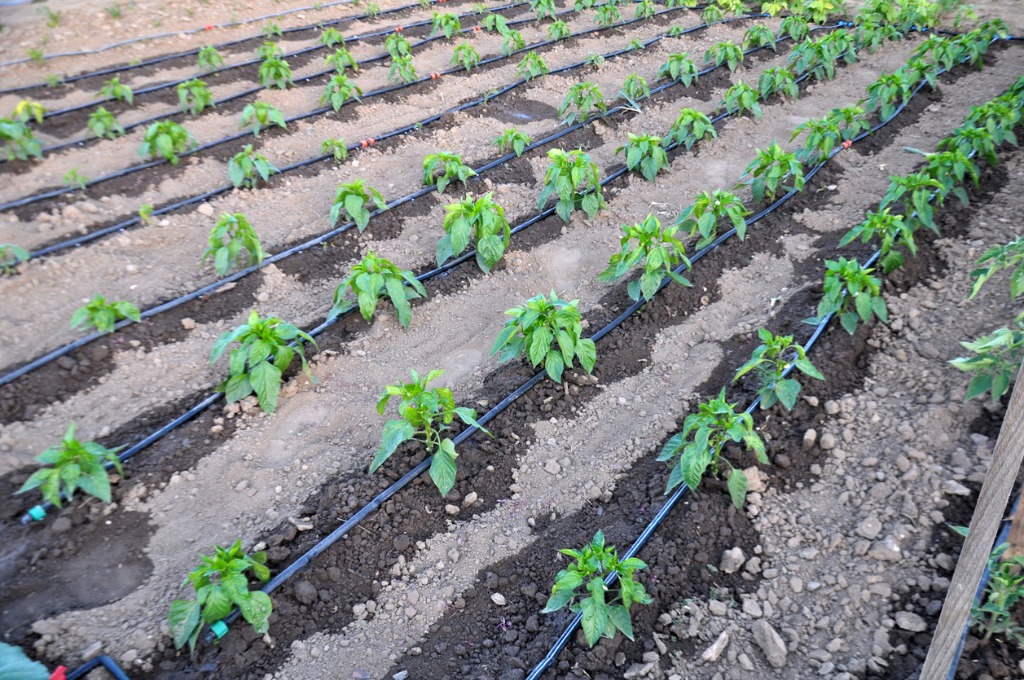
Drip irrigation is more than just a method of watering plants; it is a paradigm shift in agricultural water management. It is the art of applying water and nutrients directly to the root zone of a plant, in the right amounts, at the right time. Let’s explore the transformative advantages that make this technology not just a luxury, but a necessity for the future of Kenyan farming.
1. The Ultimate Weapon Against Water Scarcity: Unmatched Efficiency
In a country where water sources are dwindling and communities often compete for this vital resource, using every drop wisely is a moral and economic imperative. Traditional methods like flood irrigation or overhead sprinklers are notoriously wasteful, losing vast quantities to evaporation, wind, and runoff.
Drip irrigation changes the game entirely. By delivering water through a network of pipes, tubes, and emitters directly to the base of each plant, it achieves unparalleled efficiency:
-
Up to 90% Water Savings: Studies and farmer experiences consistently show that drip irrigation uses 30-50% less water than sprinklers and a staggering 60-70% less water than conventional flood irrigation. In a context where every litre counts, this is a monumental advantage.
-
No Waste, Only Nourishment: Water is no longer lost to the atmosphere or non-crop areas. It percolates slowly into the root zone, ensuring the plant gets exactly what it needs. This allows farmers in harsh climates to cultivate larger areas or more crop cycles with the same amount of water, effectively turning scarcity into abundance.
2. Fertilizer Amplified: The Power of Fertigation
Farming isn’t just about water; it’s about nutrition. Traditionally, fertilizers are broadcasted across a field, a method where a significant portion is washed away, volatilized into the air, or absorbed by weeds. It’s inefficient, expensive, and environmentally damaging.
Drip irrigation seamlessly integrates with fertilizer application through a process called fertigation. Soluble fertilizers are injected directly into the irrigation system, traveling with the water to the plant’s roots.
This leads to:
-
Massive Reduction in Fertilizer Use: Farmers can reduce fertilizer usage by up to 30-50% while achieving better results. This represents enormous cost savings, making high-quality inputs more affordable.
-
Precision Nutrition: Plants receive a perfectly balanced diet tailored to their specific growth stage. This precision eliminates guesswork, promotes stronger, healthier growth, and prevents the nutrient leaching that can pollute groundwater.
-
Healthier Soils: By avoiding the saline buildup and waterlogging often associated with flood irrigation, drip systems help maintain better soil structure and health over the long term.
3. Boosting Yields and Quality: The Path to Premium Markets
When plants are freed from the stress of water and nutrient deficiency, they channel their energy into what matters most: production. Drip irrigation creates optimal growing conditions, leading to remarkable improvements in both the quantity and quality of harvests.
-
Substantially Higher Yields: Consistent moisture and nutrition prevent the growth checks and blossom-end rot common in stress-based farming. It is not unusual for farmers to see yield increases of 30% to 100% after adopting drip irrigation.
-
Superior, Uniform Produce: Stress-free plants produce larger, more uniform, and blemish-free fruits and vegetables. This superior quality is a key to accessing high-value markets, including premium supermarkets, hotels, and export contracts, where consistency and appearance are paramount.
-
Longer Shelf Life: The controlled water supply helps produce develop better firmness and a longer post-harvest life, reducing losses for the farmer and the retailer.
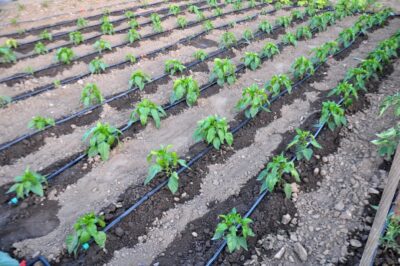
Drip Irrigation
4. The Economics of Affordability: A Smart Investment by Symnet Agro Solutions
We at Symnet Agro Solutions Ltd understand that the word “technology” can be intimidating, often associated with high upfront costs. A common objection we hear is, “Drip irrigation is too expensive for a farmer like me.”
We are here to fundamentally change that perception. Our mission is to make world-class, water-saving technology not just available, but genuinely affordable and accessible to every dedicated farmer.
-
Debunking the Cost Myth: While there is an initial investment, it is crucial to view it as just that—an investment, not an expense. The savings generated from reduced water pumping costs, drastic cuts in fertilizer and pesticide use, and the significant jump in yield and quality mean that a well-managed drip system often pays for itself within 1-2 growing seasons.
-
Scalable and Adaptable Solutions: We don’t believe in one-size-fits-all. We offer a range of drip irrigation kits—from small-scale ¼ acre kits perfect for beginners to large-scale commercial designs. This allows farmers to start small, prove the concept, and expand as their profits grow.
-
Durability and Support: Our kits are designed for the Kenyan context, using quality materials that resist clogging and UV degradation. More importantly, we provide:
-
Expert Installation Guidance: We ensure your system is set up correctly from day one.
-
Comprehensive Training: We teach farmers how to operate, maintain, and troubleshoot their systems, empowering them with knowledge.
-
Agronomic Support: We advise on the best crops for drip irrigation (from tomatoes and onions to strawberries and French beans), planting layouts, and fertigation schedules.
5. Beyond the Farm: The Wider Impact
The benefits of widespread drip irrigation adoption extend far from the individual farm gate.
-
Food Security: By enabling reliable production in harsh environments, drip irrigation directly contributes to Kenya’s national food security and stability.
-
Environmental Conservation: It drastically reduces the pressure on rivers, lakes, and aquifers. By minimizing fertilizer runoff, it protects our waterways from eutrophication and pollution.
-
Social Empowerment: It enables farming families to generate a stable, prosperous income from smaller parcels of land, reducing the urge for rural-to-urban migration and strengthening communities.
Conclusion: From Scarcity to Abundance, Drop by Drop
The narrative of Kenyan farming does not have to be one of struggle against the elements. With the right tools, it can be a story of triumph, innovation, and prosperity. Drip irrigation is that tool. It is a practical, proven, and powerfully effective solution to the twin challenges of water scarcity and low productivity.
At Symnet Agro Solutions Ltd, we are passionate partners in this revolution. We are not merely suppliers of equipment; we are providers of solutions, partners in profit, and believers in the potential of every Kenyan farmer.
The future of farming is not about waiting for rain. It is about managing every precious drop with intelligence and precision. It is about taking control and turning harsh climates into fields of gold.
Join the revolution. Embrace efficiency. Secure your harvest.
Contact Symnet Agro Solutions Ltd today and let’s discuss how a drip irrigation system can transform your farm into a year-round enterprise.
Email: info@symnet.co.ke
Phone: +254 703 999 523/ +254 733 347 368
Website: [https://symnet.co.ke/]
Symnet Agro Solutions Ltd: Cultivating Success, Drop by Drop.
Transforming Farming in Harsh Climatic Regions through Greenhouse farming
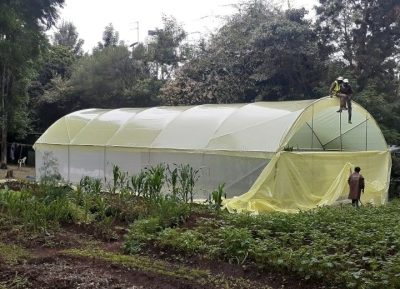
Agriculture remains the backbone of Kenya’s economy, employing a large percentage of the population and contributing significantly to food security. However, farmers across the country continue to grapple with harsh climatic conditions, unpredictable rainfall, long dry spells, and increasing incidences of pests and diseases. For many, traditional open-field farming has become unreliable and financially risky.
This is where greenhouse farming comes in. At Symnet Agro Solutions Ltd, we are committed to empowering farmers in Kenya by providing affordable, modern greenhouse solutions that make farming possible all year round—regardless of weather conditions. Our goal is to ensure that farmers in arid and semi-arid areas, as well as those facing unpredictable rainfall patterns, can increase their yields, earn consistent income, and contribute to national food security.
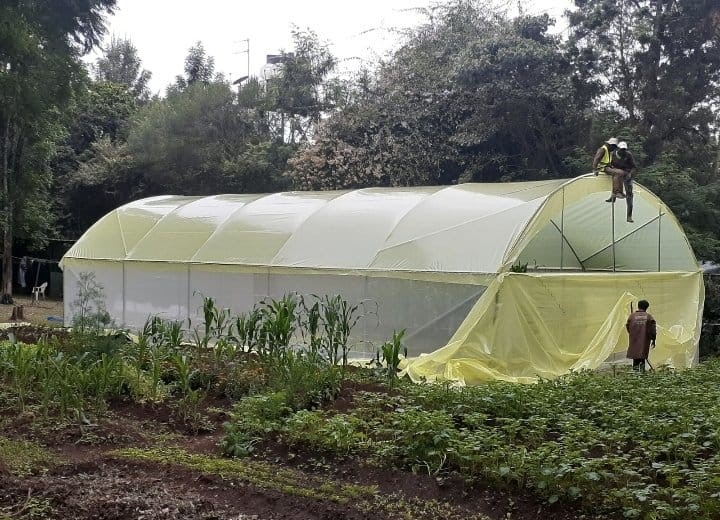
In this blog, we will explore the key advantages of greenhouses in Kenya, and how Symnet Agro Solutions Ltd is making this technology accessible to every farmer.
1. Farming Throughout the Year
One of the biggest limitations of traditional farming in Kenya is its dependency on rainfall. With changing weather patterns and extended droughts, farmers often experience crop failures or are forced to abandon farming altogether.
A greenhouse creates a controlled microclimate, where temperature, humidity, and irrigation can be managed efficiently. This means that whether it’s the dry season in Turkana or heavy rains in Western Kenya, farmers can continue growing crops without interruption.
At Symnet Agro Solutions Ltd, we design and install greenhouses tailored to local conditions, enabling farmers to produce vegetables, fruits, and even flowers consistently throughout the year. This year-round production not only ensures food availability but also provides farmers with a steady income stream.
2. Higher Yields in Smaller Spaces
Greenhouses maximize land productivity. Compared to open-field farming, crops grown in a greenhouse typically yield two to three times more per unit area. This is because the enclosed environment minimizes crop losses caused by pests, diseases, and adverse weather.
For smallholder farmers in Kenya, who often have limited land, this is a game-changer. A greenhouse measuring just 8m by 15m can produce hundreds of kilograms of tomatoes, capsicum, or cucumbers every harvest—enough to feed a household and generate surplus for the market.
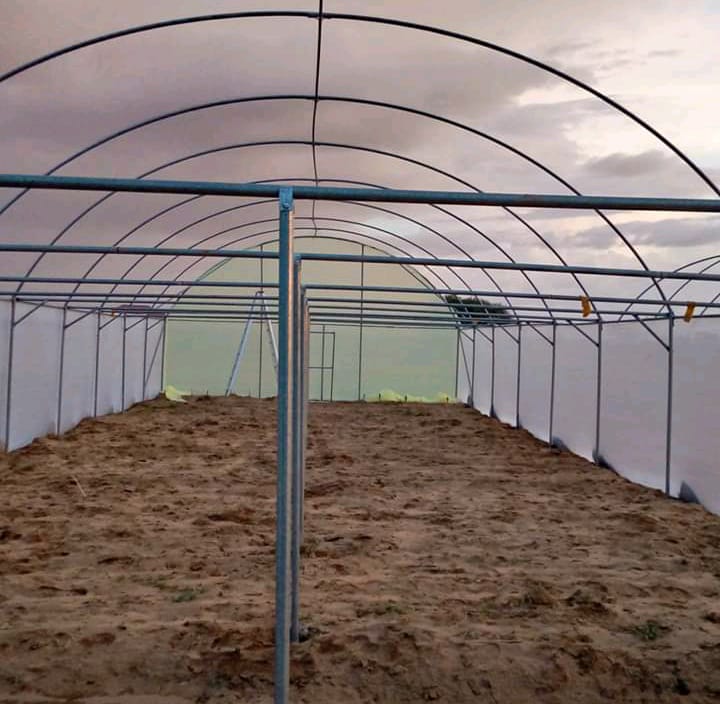
Symnet Agro Solutions Ltd provides both wooden and metallic greenhouses in different sizes, ensuring that farmers with varying budgets and land sizes can benefit.
3. Efficient Water Use
Water scarcity is one of the biggest challenges facing Kenyan farmers today. Open-field farming wastes large amounts of water through evaporation and runoff. In contrast, greenhouses are highly water-efficient, especially when combined with drip irrigation systems.
Drip irrigation delivers water directly to the roots of the plants, ensuring minimal wastage. Farmers in arid and semi-arid regions of Kenya—such as Kitui, Makueni, or Kajiado—can still produce healthy crops with limited water resources.
At Symnet Agro Solutions Ltd, we integrate modern drip irrigation into all our greenhouse installations, helping farmers save up to 60% of the water they would otherwise use in open farming.
4. Reduced Pest and Disease Pressure
Pests such as aphids, whiteflies, and caterpillars, as well as diseases like blight, are major threats to Kenyan farmers. They destroy crops and force farmers to spend heavily on pesticides.
Greenhouses act as a protective barrier, significantly reducing pest invasion. With the right insect nets and controlled spraying, farmers can manage pests effectively and reduce chemical use. This results in healthier crops and safer produce for consumers.
Symnet Agro Solutions Ltd also offers insect nets and shade nets as part of our greenhouse packages, ensuring maximum protection for crops.
5. Better Quality Produce
Kenya’s urban consumers and export markets demand high-quality produce that is uniform in size, color, and taste. Meeting this standard is difficult with open-field farming, where crops are exposed to inconsistent sunlight, pests, and fluctuating temperatures.
Greenhouse farming produces uniform and high-quality crops. Tomatoes grown in a greenhouse, for example, are usually larger, redder, and juicier than those grown in open fields. Such produce fetches higher prices in local markets and supermarkets, giving farmers better returns.
By working with Symnet Agro Solutions Ltd, farmers can meet these market standards consistently, opening up opportunities for both local and international markets.
6. Shorter Maturity Periods
Crops in greenhouses generally mature faster compared to those in open fields. The stable environment accelerates growth, meaning farmers can harvest earlier and sell their produce when market prices are still high.
For instance, tomatoes in a greenhouse can be ready for harvest within 8–10 weeks, compared to 12–14 weeks in open-field conditions. This faster turnaround allows for multiple growing cycles in a year, further boosting income.
7. Income Stability and Food Security
Kenya’s farmers often experience income instability because of seasonal farming. During the rainy season, everyone plants the same crops, leading to market oversupply and low prices. During the dry season, food scarcity drives prices up—but few farmers have crops to sell.
Greenhouses solve this problem by ensuring year-round production. Farmers can time their harvests to coincide with off-peak seasons when prices are highest. This gives them greater control over market timing and ensures better profitability.
Symnet Agro Solutions Ltd supports farmers by offering training on crop scheduling and market access, ensuring they get maximum value for their produce.
8. Employment Creation and Youth Involvement
Greenhouse farming is not only profitable but also attractive to the youth. Unlike traditional farming, which is labor-intensive and dependent on weather, greenhouses represent modern, innovative, and more manageable agriculture.
By adopting greenhouse farming, young people can venture into agribusiness, create employment opportunities, and reduce over-reliance on formal jobs. Symnet Agro Solutions Ltd is passionate about engaging Kenya’s youth in agriculture by offering affordable greenhouse packages and technical support.
9. Customizable and Affordable Solutions
Many farmers in Kenya fear that greenhouses are expensive and only for large-scale producers. At Symnet Agro Solutions Ltd, we have worked hard to dispel this myth. We design affordable greenhouse packages—from small-scale units for kitchen gardening to larger commercial setups.
We also provide flexible solutions, including both wooden and metallic greenhouses, depending on farmers’ budgets and preferences. Our goal is to make greenhouse technology accessible to every farmer, regardless of location or income level.
10. Contribution to Climate Change Adaptation
Climate change is no longer a distant threat—it is a daily reality for Kenyan farmers. Erratic rainfall, prolonged droughts, and rising temperatures are reducing agricultural productivity.
Greenhouses play a key role in helping farmers adapt. By creating a controlled growing environment, they reduce dependence on rainfall and protect crops from extreme weather events. This resilience is critical for ensuring long-term food security in Kenya.
At Symnet Agro Solutions Ltd, we view greenhouse farming as a sustainable solution that not only supports individual farmers but also strengthens Kenya’s agricultural sector against climate change.
Why Choose Symnet Agro Solutions Ltd?
At Symnet Agro Solutions Ltd, we don’t just sell greenhouses—we provide end-to-end farming solutions. Our services include:
-
Selling and installing both metallic and wooden greenhouses.
-
Integrating efficient drip irrigation systems.
-
Supplying agricultural nets for pest and climate protection.
-
Offering training and technical support to farmers.
-
Providing after-sales services to ensure successful farming.
Our mission is to ensure that farmers in Kenya, especially those in harsh climatic regions, can farm affordably, sustainably, and profitably.
Conclusion
The advantages of greenhouse farming in Kenya are undeniable: year-round production, higher yields, better quality produce, water efficiency, pest protection, and improved income stability. As climate change continues to affect traditional farming, greenhouses have emerged as a reliable solution for both smallholder and commercial farmers.
At Symnet Agro Solutions Ltd, we are proud to be part of this agricultural transformation. By making greenhouse technology affordable and accessible, we are helping farmers unlock their full potential, fight hunger, and secure sustainable livelihoods.
If you are a farmer looking to embrace modern farming and overcome the challenges of harsh climatic conditions, Symnet Agro Solutions Ltd is your trusted partner. Together, we can build a resilient and food-secure Kenya.
📞 Contact Symnet Agro Solutions Ltd today to learn more about our greenhouse packages and how we can support your farming journey.