Shade Net for Farming in Kenya — A Practical Guide
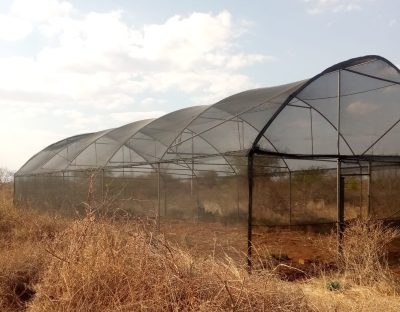
Kenya’s climate is wonderfully diverse — from the cool, high-altitude Rift Valley to the hot, dry lowlands along the coast. That same diversity creates both opportunity and challenge for farmers: unpredictable sunlight, high daytime temperatures, and variable rainfall can limit yields or reduce crop quality. Shade netting has become an affordable, high-impact technology for farmers across Kenya who want to protect high-value crops, extend the growing season, and improve water efficiency. At Symnet Agro Solutions Ltd, we design, supply and install shade net systems tailored to Kenyan farms — here’s everything you need to know.
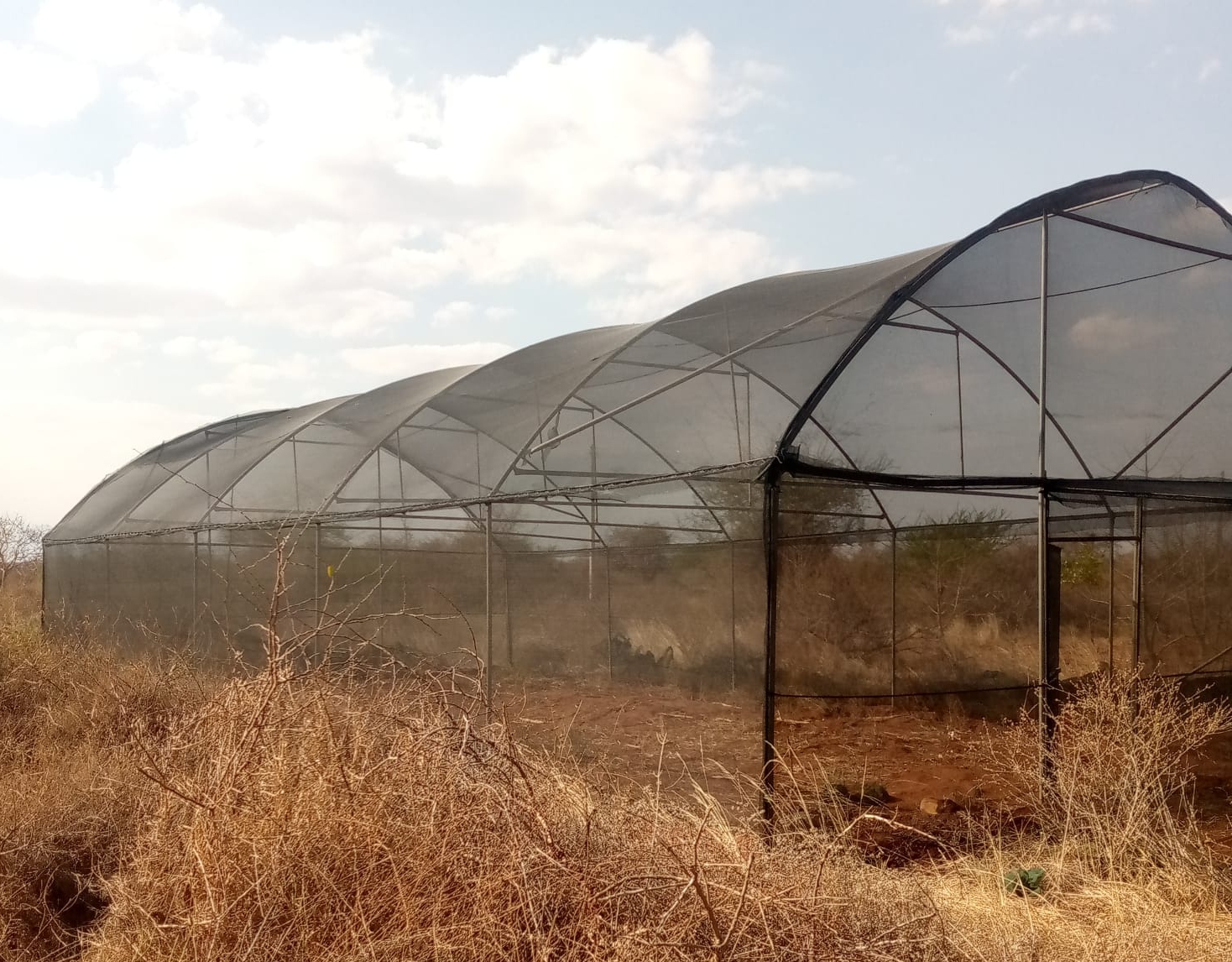
What is shade netting?
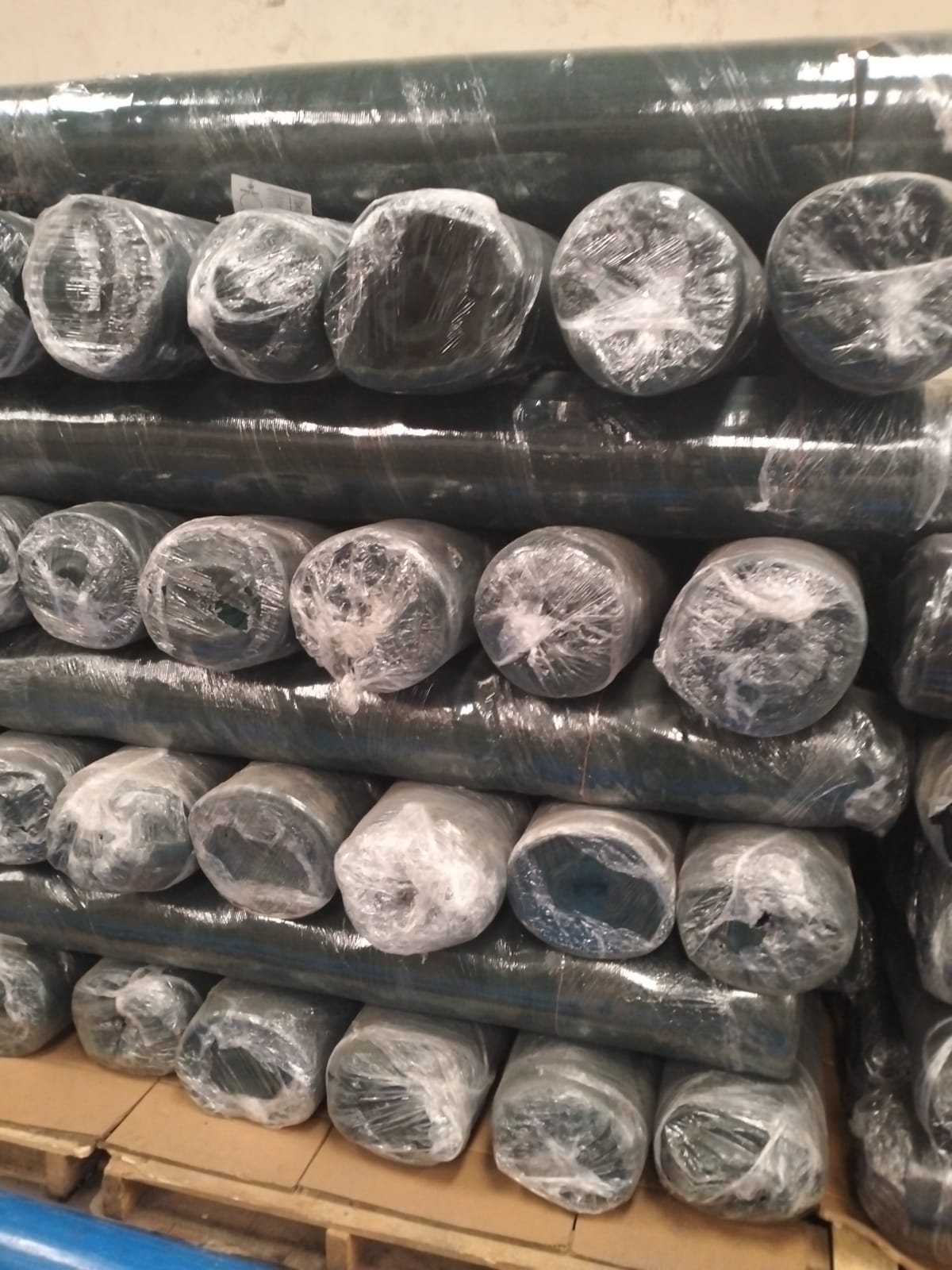
Shade netting — sometimes called shade cloth — is a knitted or woven fabric (usually UV-stabilized HDPE) used to reduce the amount of direct solar radiation reaching plants. Shade nets are available in different shade percentages (commonly 30% up to 90%) and colours. They lower light intensity, reduce heat stress, decrease evaporation, and can also act as a physical barrier to wind, birds and some insects when combined with other netting types.
Why Kenyan farmers are using shade nets
-
Temperature & light control
Shade nets moderate midday heat and strong sun, reducing blossom drop, sunscald and heat stress — critical for delicate crops like leafy greens, tomatoes, peppers and ornamentals.
-
Water savings
By cutting direct sunlight and wind, nets reduce evapotranspiration, meaning less frequent irrigation and lower water bills — a major advantage in semi-arid and drought-prone areas.
-
Improved crop quality
Lower light stress and more stable microclimates often translate to better colour, longer shelf life and higher marketable yields — especially for herbs, lettuce, flowers and strawberries.
-
Pest, bird and mechanical protection
While shade nets are not insect-proof by themselves, when used with insect or bird nets they provide whole-crop protection that reduces post-harvest losses.
-
Year-round production & accelerated nursery growth
Shade houses are ideal for nurseries, seedling hardening and propagation, allowing farmers to raise healthy transplants faster and start multiple crop cycles.
Types and specifications (what to choose)
-
Shade percentage — Choose based on crop light requirement: 30–40% for tomatoes/peppers that need more light; 50–70% for lettuce, herbs and shade-loving ornamentals; 80–90% for nursery hardening or shade trees.
-
Material & UV stability — High-density polyethylene (HDPE) with UV stabilizer is standard; it lasts longer under Kenyan sun.
-
Colour — Black is common and cost-effective; white/green or specialized colours (silver/black) can slightly modify light diffusion and heat reflection.
-
Knitted vs woven — Knitted nets are more flexible and tear-resistant; woven nets can be denser. Most agricultural shade nets in Kenya are knitted.
-
Accessories — Frames, ropes, tensioning clips, gutters and anchoring systems determine durability and wind-resistance.
Common shade net uses on Kenyan farms
-
Vegetable tunnels — Protect lettuce, spinach, sukuma wiki and herbs from excessive sun and heat.
-
Flower and nursery houses — For floriculture (roses, gloxinia) and seedling propagation.
-
Fruit tree shade — Young fruit trees benefit from partial shade in their early stages.
-
Shade for livestock and poultry — Protect animals from heat while ensuring ventilation.
-
Post-harvest storage / drying yards — Shade nets can provide a clean, ventilated area for sorting or solar drying when combined with appropriate structures.
Installation & maintenance — practical tips
-
Site assessment first — Evaluate sun angles, prevailing winds and drainage. Proper siting increases lifespan and performance.
-
Sturdy framing — Use galvanised steel or treated timber with cross bracing for wind-prone locations. Anchor well.
-
Proper tensioning — Loose nets flap and tear; install tensioning systems and maintain even tension.
-
Ventilation & spacing — Allow airflow to prevent humidity buildup and fungal issues. Good ventilation reduces disease risk.
-
Repairs & UV degradation — Inspect annually for tears and UV wear; replace high-exposure panels promptly.
-
Cleaning — Dust build-up lowers light diffusion; periodic brushing or hosing prolongs effectiveness.
Economic case & ROI
While upfront costs (structure + netting + installation) vary with size and specification, farmers typically see value through increased yields, reduced water use, fewer crop losses, and access to premium markets (better quality produce/flowers). For high-value crops like herbs, salad greens and floriculture, shade netting often pays back within a single season. For larger installations, the ROI improves when nets are combined with drip irrigation, good agronomy and market linkages.
Why choose Symnet Agro Solutions Ltd?
At Symnet Agro Solutions Ltd, we specialise in practical, cost-effective shade net solutions designed for Kenyan conditions. Our services include:
-
On-site consultation & crop assessment — We recommend the optimal shade percentage, net colour and structure for your crop and location.
-
Supply of UV-stabilized shade nets — Durable, Kenyan-tested materials available in multiple grades.
-
Professional installation — Secure frames, tensioning systems and drainage solutions to stand up to local weather.
-
Integration with other systems — We can pair shade houses with drip irrigation, insect/bird nets and solar drying solutions for an end-to-end farm upgrade.
-
After-sales support & training — We train your team on maintenance, repairs and crop management under shade nets so you get the best return on investment.
Quick checklist before you buy
-
What crops will you grow under the net? (decides shade %)
-
Is the site windy or exposed? (decides frame strength)
-
Do you need integrated pest/bird protection?
-
Will you combine with drip irrigation or shade-net tunnels?
-
What is your budget and expected payback timeframe?
Final thoughts
Shade netting is a simple, flexible technology with big impact for Kenyan agriculture. Whether you are a smallholder scaling up leafy greens or a commercial grower in Naivasha, Mavoko, Kisumu or the Coast, the right shade net system can stabilise yields, cut water use, and open higher-value markets. Symnet Agro Solutions Ltd understands local climates, crop needs and practical farm economics — we’re here to help you choose, install and maintain a shade net system that fits your farm and your business goals.
Interested in a free site assessment or a sample? Contact Symnet Agro Solutions Ltd today for a no-obligation consultation and let’s design a shade net solution that helps your farm thrive.